Every interaction a customer has with your dealership shapes their overall experience.
Whether they're shopping for a vehicle, scheduling service, waiting for repairs, or completing paperwork in the finance office, customers expect the process to be efficient, convenient, and professional. While friendly employees and quality service remain essential, technology plays an equally important role behind the scenes.
Nearly every step of the customer journey depends on technology. Service appointments are scheduled through software. Vehicle information is retrieved from dealership management systems. Repair updates are communicated electronically. Sales teams access inventory and customer records, while finance departments process contracts and paperwork digitally.
When technology works reliably, employees can stay focused on helping customers. When it doesn't, even small technical issues can create delays, frustration, and a poor overall experience.
The good news is that improving the customer experience isn't always about adding new technology. It's about making sure the technology your dealership already depends on is reliable, efficient, and aligned with the way your employees serve customers.
In this guide, we'll explore how technology influences the customer experience, the common issues that create unnecessary frustration, and practical ways dealerships can deliver a smoother, more consistent experience for every customer.
Why should dealership leadership care about customer experience?
roviding a great customer experience is no longer a competitive advantage - it's an expectation.
Whether customers are shopping for a vehicle, bringing their car in for service, or visiting your parts department, they expect every interaction to be efficient, professional, and convenient. They want clear communication, accurate information, and a process that respects their time.
When those expectations are met, customers are more likely to return for future service, recommend your dealership to friends and family, and leave positive online reviews. When they aren't, even a single frustrating experience can influence where they choose to do business next.
Many of the delays customers experience aren't caused by a lack of effort from your employees. Instead, they occur because employees are forced to work around obstacles that slow them down.
Technology is one of those obstacles - or one of the solutions.
When systems are reliable, employees can answer questions quickly, access customer information, complete transactions efficiently, and keep appointments moving on schedule. When technology isn't working as it should, even the best employees struggle to provide the level of service customers expect.
Most customers won't know why something took longer than expected.
They won't know the dealership management system was slow, the printer stopped working, or a workstation needed to be restarted.
They simply remember that they had to wait.
The dealerships that consistently deliver exceptional customer experiences aren't necessarily the ones with the newest technology. They're the ones that remove obstacles, empower their employees, and make it easy for customers to do business with them.
Technology is simply one of the tools that helps make that possible.
7 Ways Technology Improves the Customer Experience
Customers don't judge your dealership by the technology you use. They judge it by how easy it is to do business with you.
When technology works reliably, employees can spend less time dealing with technical issues and more time focusing on customers. The result is a smoother, faster, and more consistent experience throughout the dealership.
Here are seven ways the right technology strategy helps to create a better customer experience.
1. Shorter Wait Times
No customer enjoys waiting longer than necessary.
Whether they're checking in for service, completing paperwork, or waiting for a salesperson, technology delays can quickly turn a positive experience into a frustrating one.
Reliable systems help employees complete tasks more efficiently, reducing unnecessary wait times and keeping appointments on schedule.
2. Faster Access to Information
Customers expect employees to have answers.
Whether it's locating a vehicle, checking the status of a repair, reviewing service history, or answering questions about financing, employees need quick access to accurate information.
Reliable technology allows employees to respond confidently without making customers wait.
3. Better Communication Throughout the Customer Journey
Customers appreciate knowing what's happening.
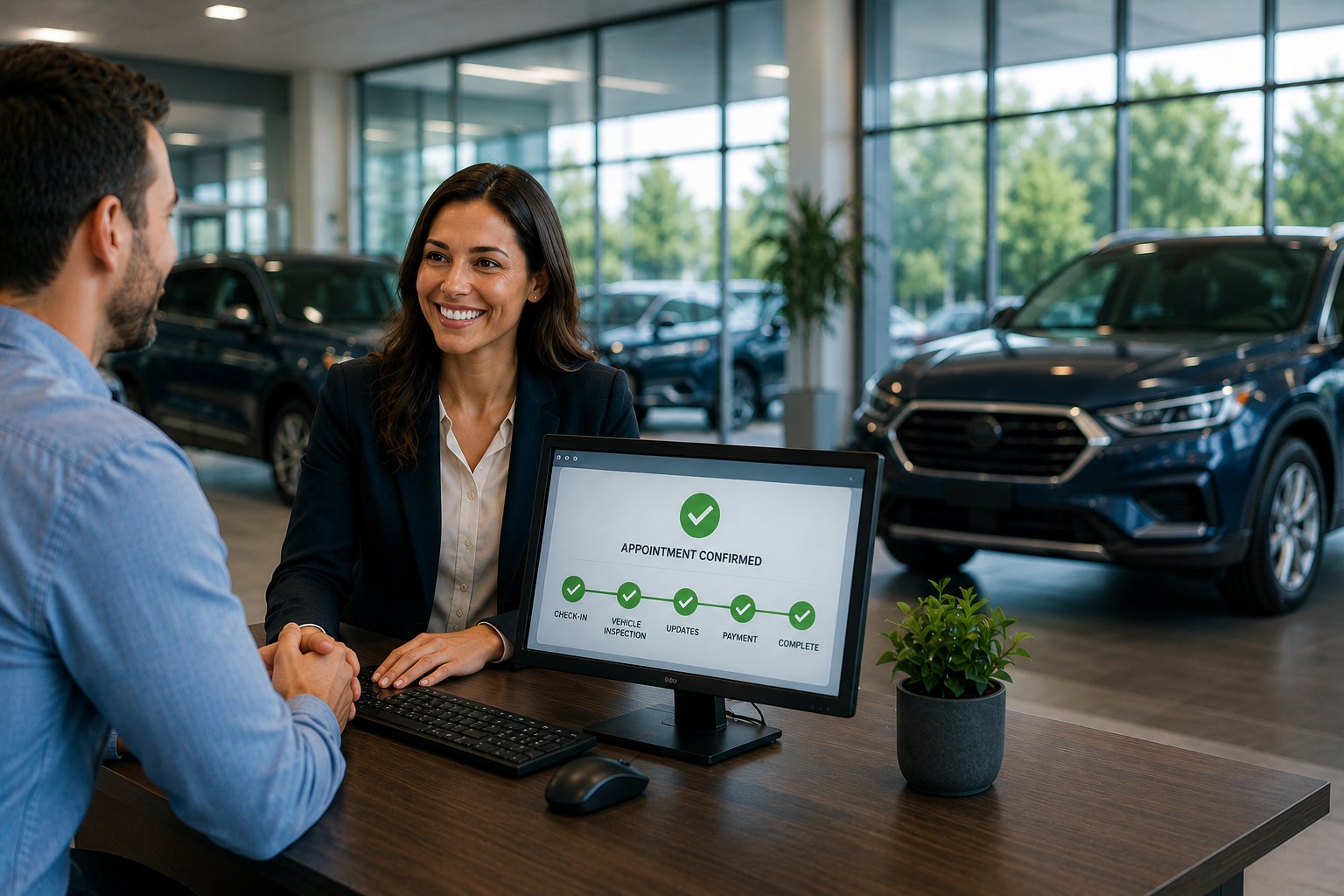
Appointment confirmations, repair updates, vehicle status notifications, and timely follow-up communication all help build confidence and reduce uncertainty.
Technology supports these interactions by helping employees communicate consistently and efficiently.
4. Fewer Service Interruptions
Unexpected technology problems don't just affect employees, they affect customers.
A slow dealership management system, network outage, or software issues can delay appointments, extend wait times, and interrupt the customer experience.
Proactively maintaining technology helps reduce these disruptions and keeps daily operations running smoothly.
5. More Consistent Service
Customers expect the same level of service regardless of which employee helps them.
Standardized technology and well-supported systems allow employees to access the same information, follow consistent processes, and deliver a more predictable experience throughout the dealership.
Consistency builds trust.
6. Greater Confidence in Your Dealership
Customers may never notice strong cybersecurity, reliable backups, or proactive technology management - but they do notice when something goes wrong.
Protecting customer information, maintaining reliable systems, and preventing disruptions help reinforce confidence that your dealership operates professionally and responsibly.
7. More Time for Employees to Focus on Customers
The best customer experiences happen when employees can focus on people instead of problems.
When technology works as expected, employees spend less time restarting computers, troubleshooting software, or waiting for systems to respond. That allows them to give customers their full attention, answer questions more quickly, and provide a higher level of service.
Ultimately, technology should fade into the background, allowing great employees to deliver the exceptional customer experience your dealership wants to be known for.
Common Technology Problems That Frustrate Customers
Customers don't expect perfection, but they do expect a smooth, efficient experience.
Unfortunately, even small technology problems can create unnecessary delays that customers notice immediately. While employees often find ways to work around these issues, customers simply experience longer wait times, slower service, and unnecessary frustration.
Some of the most common technology issues that affect the customer experience include:
Slow Computers
When computers take too long to start, applications load slowly, or systems become unresponsive, employees spend more time waiting and less time helping customers. Even a few extra minutes at the service counter or finance office can make the experience feel less efficient.
Dealership Management System (DMS) Performance Issues
The dealership management system is central to many daily operations. If it responds slowly or becomes unavailable, employees may struggle to access customer information, process paperwork, or complete transactions, creating delays throughout the dealership.
Poor Wi-Fi or Network Connectivity
Reliable network access is essential for today's dealership. Weak wireless coverage or network interruptions can delay customer check-ins, slow communication between departments, and prevent employees from accessing the information they need.
Printer and Document Problems
Whether it's repair orders, purchase agreements, financing paperwork, or customer receipts, printing delays often occur at the worst possible time - when a customer is waiting. Reliable document workflows help keep transactions moving smoothly.
Communication Breakdowns
Customers appreciate being kept informed throughout the sales and service process. When employees don't receive timely updates or have difficulty accessing information, communication suffers and customers are left wondering what is happening.
Reactive Technology Support
If technology is only addressed after something breaks, employees are more likely to experience interruptions that affect customers. A proactive approach helps prevent many of these issues before they disrupt daily operations.
Most customers will never know the reason behind a delay.
They won't know a computer froze, the network slowed down, or a printer stopped responding.
They simply remember how the experience made them feel.
By identifying and addressing recurring technology issues before they affect daily operations, dealerships can create a smoother, more consistent experience that keeps employees focused on customers - not on solving technical problems.
How to Improve the Customer Experience at Your Auto Dealership
Creating a better customer experience doesn't always require major changes or significant investments. Often, the biggest improvements come from identifying and removing the obstacles that slow employees down and frustrate customers.
Here are five practical ways to improve the customer experience across your dealership.
1. Look for Friction in the Customer Journey
Walk through your sales and service processes from the customer's perspective.
Where are customers waiting? Where do employees have to stop what they're doing because of a technical issue? Are there recurring delays during check-in, financing, or vehicle delivery?
Understanding where friction occurs is the first step toward improving the overall experience.
2. Give Employees the Tools They Need to Succeed
Your employees want to provide excellent service, but they can only work as efficiently as the tools they use every day.
Reliable computers, dependable network connectivity, and well-maintained business applications help employees stay focused on customers instead of troubleshooting technology.
3. Improve Communication
Customers are more patient when they're informed.
Providing timely updates, setting clear expectations, and making it easy for employees to access accurate information can reduce frustration and build trust throughout the customer journey.
Technology should support communication - not become a barrier to it.
4. Take a Proactive Approach to Technology
Waiting until systems fail often leads to disruptions that customers notice.
Regular maintenance, software updates, hardware replacement planning, and ongoing monitoring can reduce unexpected issues before they affect daily operations.
A proactive approach helps keep appointments on schedule and employees productive.
5. Make Customer Experience Part of Your Technology Strategy
When evaluating technology investments, don't focus only on cost or technical specifications.
Ask how a new system, hardware upgrade, or process improvement will affect employees and customers. The best technology investments are the ones that make it easier to deliver faster service, improve communication, and create a more consistent customer experience.
How to Measure the Impact of Technology on the Customer Experience
Improving the customer experience isn't just about implementing new technology - it's about achieving measurable business results.
While technology itself is rarely the goal, it should make it easier for employees to deliver faster, more consistent service. Over time, dealerships should see improvements in both customer satisfaction and operational efficiency.
Here are several indicators that your technology strategy is having a positive impact.
Shorter Wait Times
Customers spend less time waiting to check in, complete paperwork, or receive updates because employees can access information and complete tasks more efficiently.
Improved Customer Satisfaction Scores
Higher Customer Satisfaction Index (CSI) scores, better manufacturer survey results, and more positive customer feedback often reflect smoother, more consistent interactions throughout the dealership.
Better Online Reviews
Customers frequently mention convenience, communication, and efficient service in online reviews. As technology-related frustrations decrease, positive reviews often increase.
Fewer Customer Complaints
When systems are reliable, there are fewer delays caused by technical issues. As a result, employees spend less time apologizing for problems and more time providing excellent service.
Increased Customer Retention
Customers are more likely to return to a dealership where transactions are efficient, communication is clear, and appointments consistently run smoothly. Over time, a better customer experience can contribute to stronger customer loyalty and repeat business.
Technology doesn't improve the customer experience simply because it's new.
It improves the customer experience when it helps employees work more efficiently, reduces unnecessary delays, and supports consistent service across every department.
The dealerships that see the greatest return on their technology investments are the ones that evaluate success through the eyes of their customers - not just through the performance of their systems.
Frequently Asked Questions
How does technology improve the customer experience at an auto dealership?
Technology helps employees serve customers more efficiently by reducing delays, improving communication, and providing faster access to the information they need. When systems are reliable, employees can spend more time helping customers and less time dealing with technical issues.
What technology issues have the biggest impact on the customer experience?
Some of the most common issues include slow computers, unreliable Wi-Fi, dealership management system (DMS) performance problems, printer failures, and recurring software issues. While customers may never see these problems directly, they often experience the resulting delays and frustration.
Can managed IT services improve customer satisfaction?
Yes. Proactive IT management helps reduce unexpected downtime, improve system reliability, and resolve issues before they disrupt dealership operations. When employees have dependable technology, they're better equipped to deliver a consistent customer experience.
How can a dealership measure the customer experience?
Dealerships often measure customer experience using Customer Satisfaction Index (CSI) scores, online reviews, customer retention, appointment wait times, service completion times, and direct customer feedback. These metrics help determine whether operational improvements are creating a better experience.
Is upgrading technology enough to improve the customer experience?
Not by itself. New technology is most effective when it's part of a broader strategy that includes efficient processes, employee training, proactive maintenance, and a focus on removing obstacles that affect customers.
How often should dealership technology be reviewed?
Most dealerships should evaluate their technology environment at least once a year. Regular reviews help identify aging hardware, recurring issues, security risks, and opportunities to improve both employee productivity and the customer experience.
Conclusion
Every customer interaction shapes how your dealership is perceived.
While friendly employees and quality vehicles remain essential, the technology supporting your operations plays an important role in delivering a smooth, efficient, and professional experience. When systems are reliable, employees can stay focused on helping customers instead of overcoming technical obstacles.
Improving the customer experience isn't about having the newest technology. It's about ensuring the technology your dealership depends on works consistently, supports your employees, and helps customers move through every stage of their journey with confidence.
By taking a proactive approach to technology, reducing unnecessary disruptions, and focusing on operational efficiency, dealerships can create experiences that encourage customers to return, recommend the business to others, and build long-term loyalty.
If your dealership is looking for ways to improve the customer experience through more reliable technology, a comprehensive assessment can help identify opportunities to reduce friction, improve efficiency, and better support both your employees and your customers.
Let's Talk About Your Dealership
Every dealership faces different technology challenges, and there's no one-size-fits-all solution.
If you're looking for ways to improve the customer experience, reduce operational disruptions, or better align your technology with your business goals, we'd be happy to learn more about your dealership.
Schedule a discovery call with Tech-Marvel, and we'll discuss your current environment, answer your questions, and explore practical strategies that can help support your employees and create a better experience for your customers.